
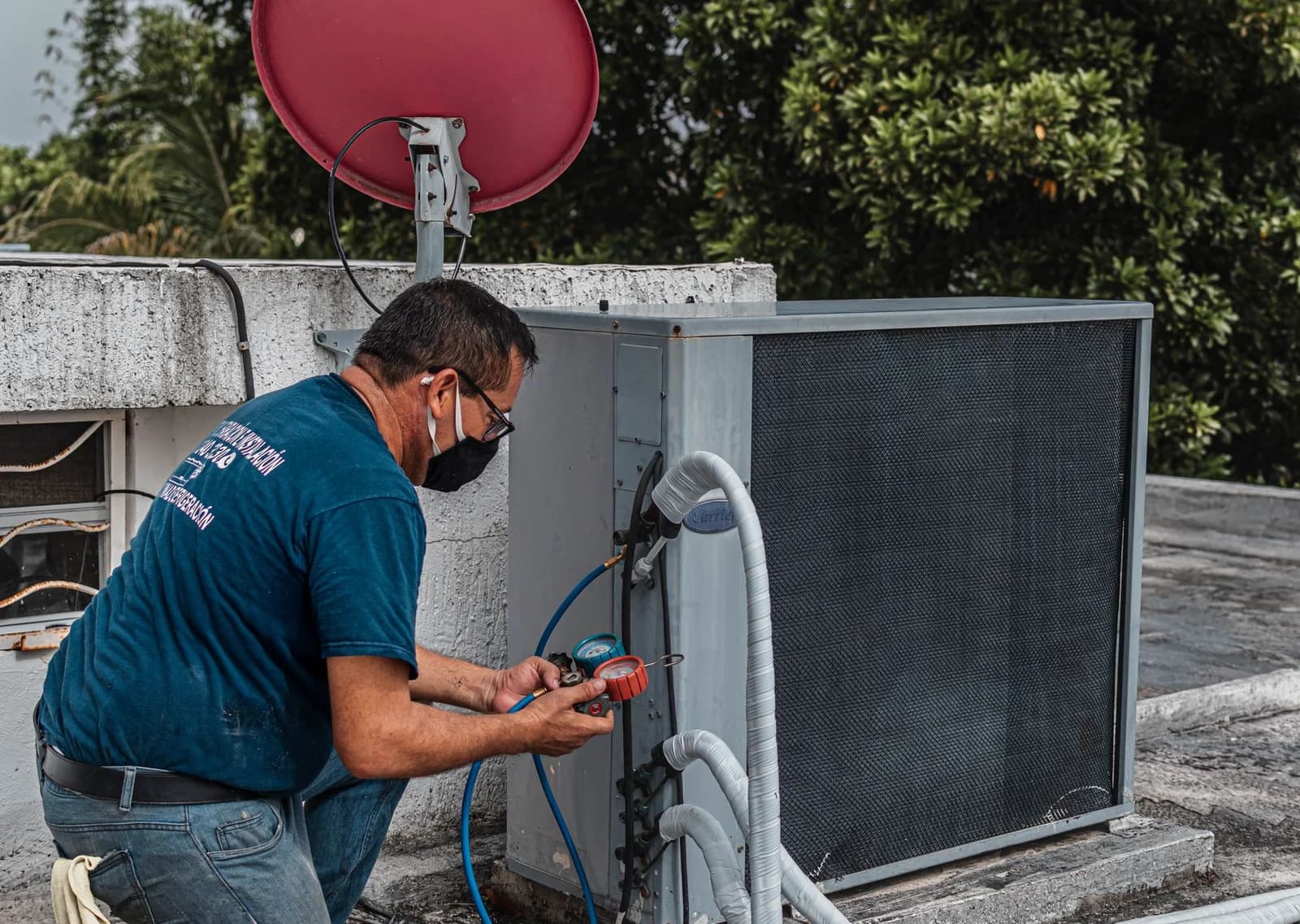
A System That Can't Seem to Stay On
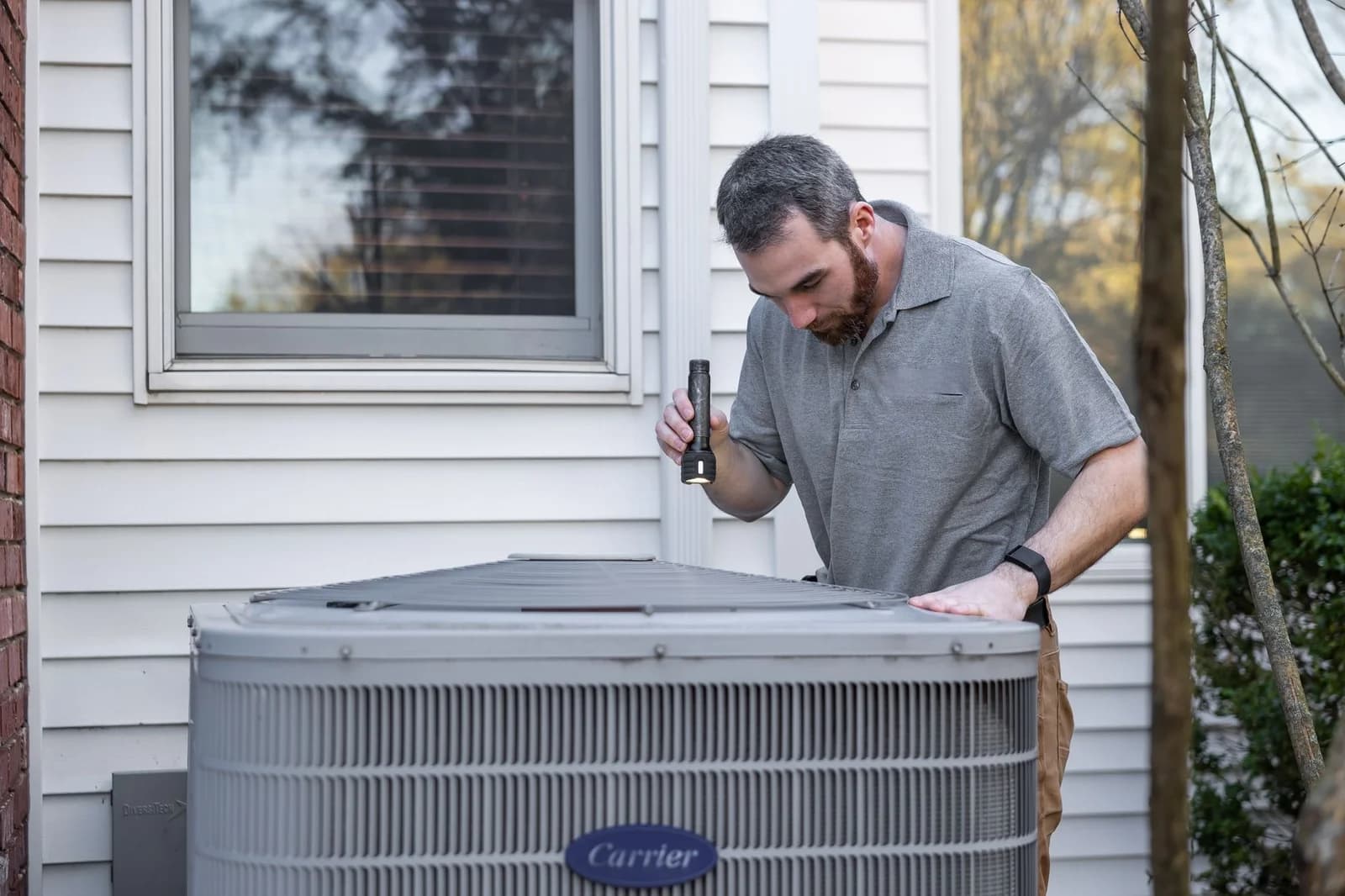
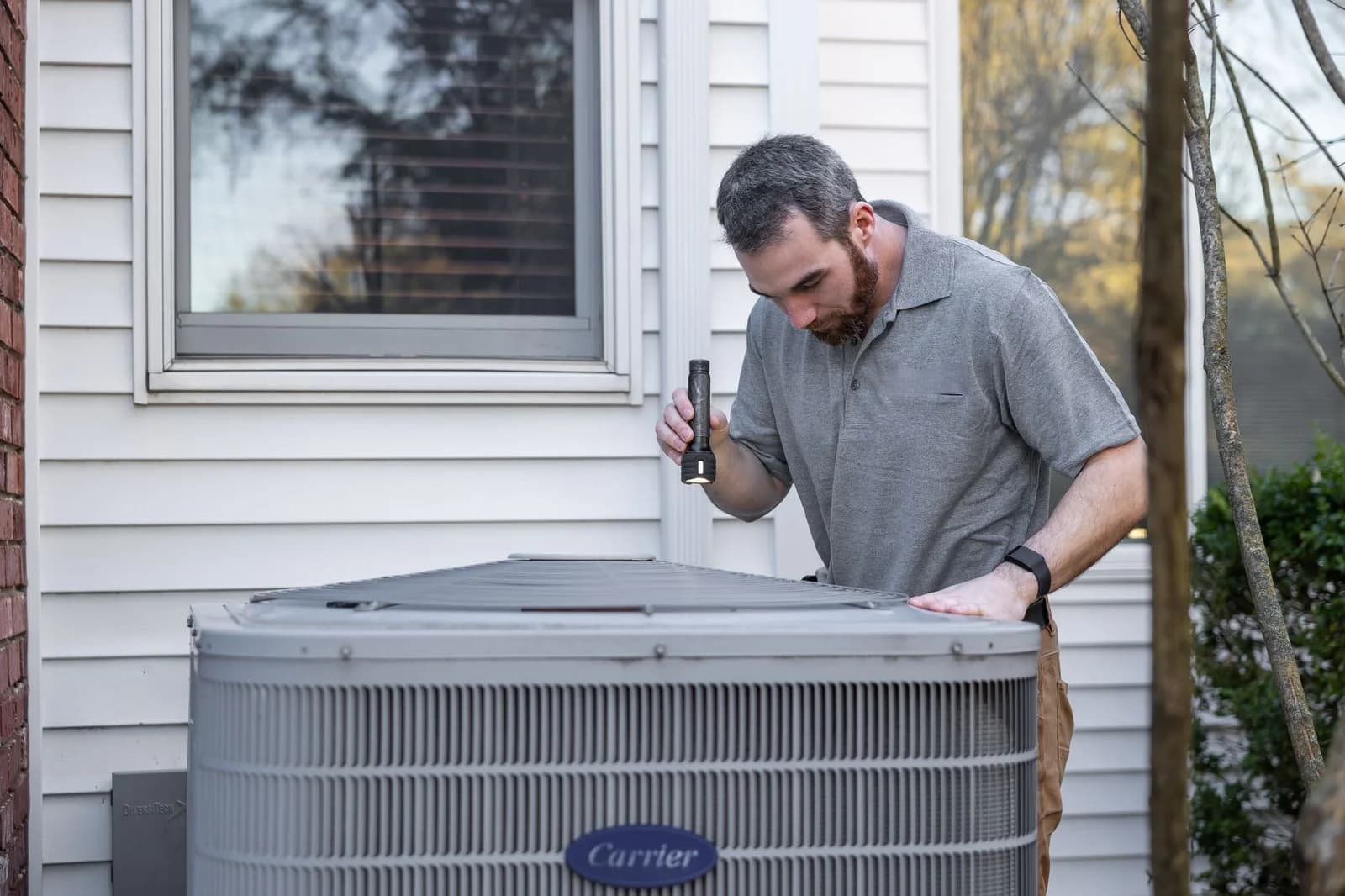
Short cycling is one of those problems that's easy to notice and hard to ignore, once you know what to listen for. The AC kicks on, runs for a few minutes, shuts off, then starts again a short while later, over and over, without ever settling into the longer, steady runs a healthy system should have. It's also one of the more damaging problems on this list, because every start puts a small amount of extra wear on the compressor, and a system short cycling for weeks is putting itself through far more start cycles than it was ever designed to handle.
What Counts as Short Cycling
A normal AC cycle, even on a hot Santa Clarita Valley afternoon, should run for somewhere in the range of ten to twenty minutes before shutting off, then stay off for a similar stretch before starting again. A system that's turning on and off every two or three minutes, especially if it's doing this consistently rather than just once, is short cycling. The tell is usually audible from inside the house: the outdoor unit's hum starts, stops, starts again, in a pattern that feels rushed compared to how the system used to sound.
Why Short Cycling Wears Out a Compressor Faster
Every time a compressor starts, it draws a surge of current well above its normal running amperage, and that surge generates heat and mechanical stress concentrated in the first few seconds of operation. A system that cycles normally might start a handful of times over the course of a hot afternoon. A system short cycling every few minutes might start dozens of times in that same afternoon, and each one of those starts adds up. This is why short cycling isn't just an inconvenience, it's actively shortening the life of the most expensive component in your system.
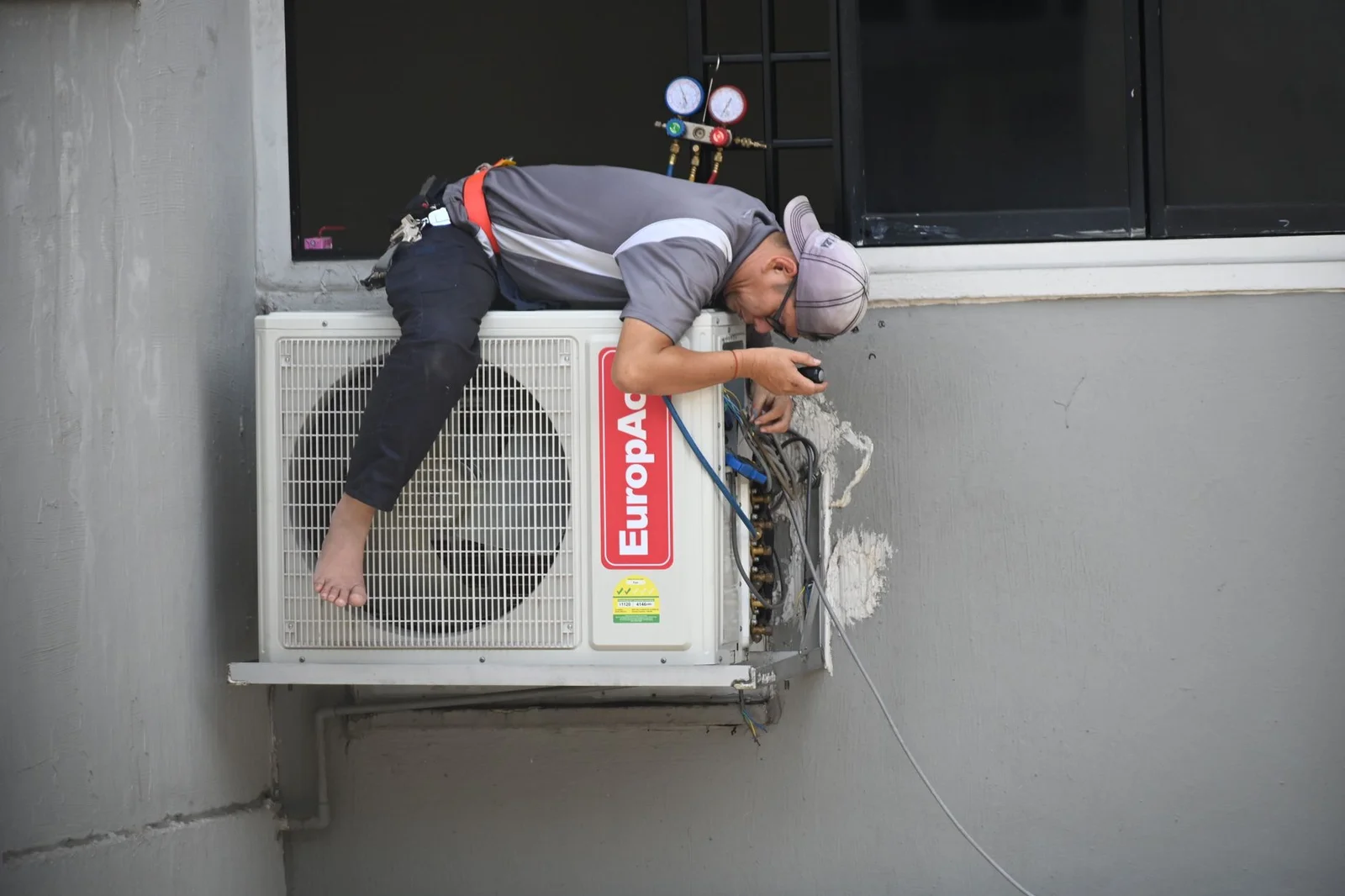
Cause One: A Failing Capacitor
The start capacitor gives the compressor motor the initial push it needs to begin spinning. A capacitor that's weakening with age can deliver enough of a push to get the compressor started, but not enough to keep it running smoothly, which can trip an internal safety and shut the compressor down within minutes, only for the system to try again shortly after. This is one of the more common causes of short cycling we find, and it's also one of the more affordable fixes, since replacing a capacitor is usually a straightforward repair.
Cause Two: Refrigerant Charge That's Too Low or Too High
Both extremes can cause short cycling, though for different reasons. A charge that's too low can cause the coil to get cold enough to trip a freeze protection safety, shutting the compressor off to protect the system, then restarting once the coil warms slightly, only to freeze again. A charge that's too high raises pressure throughout the system and can trip a high pressure safety switch in a similar pattern. Either way, the system is cycling off to protect itself from a condition that needs to be corrected at the source, not worked around.
Cause Three: A System That Was Sized Wrong From the Start
An air conditioner that's too large for the home it's cooling can drop the indoor temperature to the thermostat's setting very quickly, satisfy the thermostat, and shut off, all before it's actually run long enough to properly remove humidity from the air. The house feels cool but also somehow damp and uncomfortable, and the system cycles far more often than a correctly sized unit would need to. This is a design problem rather than a failing part, and we see it most often in homes throughout Valencia and Stevenson Ranch where a system was replaced at some point without a proper sizing calculation for the home's actual square footage and duct layout.
Cause Four: A Dirty Air Filter Restricting Airflow
A badly clogged filter starves the evaporator coil of airflow, which can cause the coil to run too cold and ice over. Once ice forms, airflow drops even further, and the system may shut down on a safety trip, then attempt to restart once things warm slightly, cycling in a loop that won't resolve until the filter is replaced and the coil is allowed to thaw completely.
Cause Five: A Thermostat Placed Somewhere It Shouldn't Be
A thermostat mounted in direct sun, near a supply vent, or on a wall that runs unusually warm can read the room's temperature incorrectly and call for cooling in short, rapid bursts that don't match what the rest of the house actually needs. This isn't a mechanical failure at all, and relocating the thermostat, or in some cases just recalibrating it, solves the short cycling without touching the outdoor equipment.
Why This Shows Up More in Older Santa Clarita Valley Homes
Homes throughout Canyon Country, Saugus, and the older sections of Newhall sometimes carry equipment that's been swapped out piecemeal over the years without a full system redesign: a newer, higher capacity condenser paired with original ductwork sized for smaller equipment, for example. That mismatch between a system's output and a home's actual duct capacity is a common, quiet cause of short cycling that has nothing to do with a failing part and everything to do with two pieces of equipment that were never designed to work together.
What We Check During a Short Cycling Diagnosis
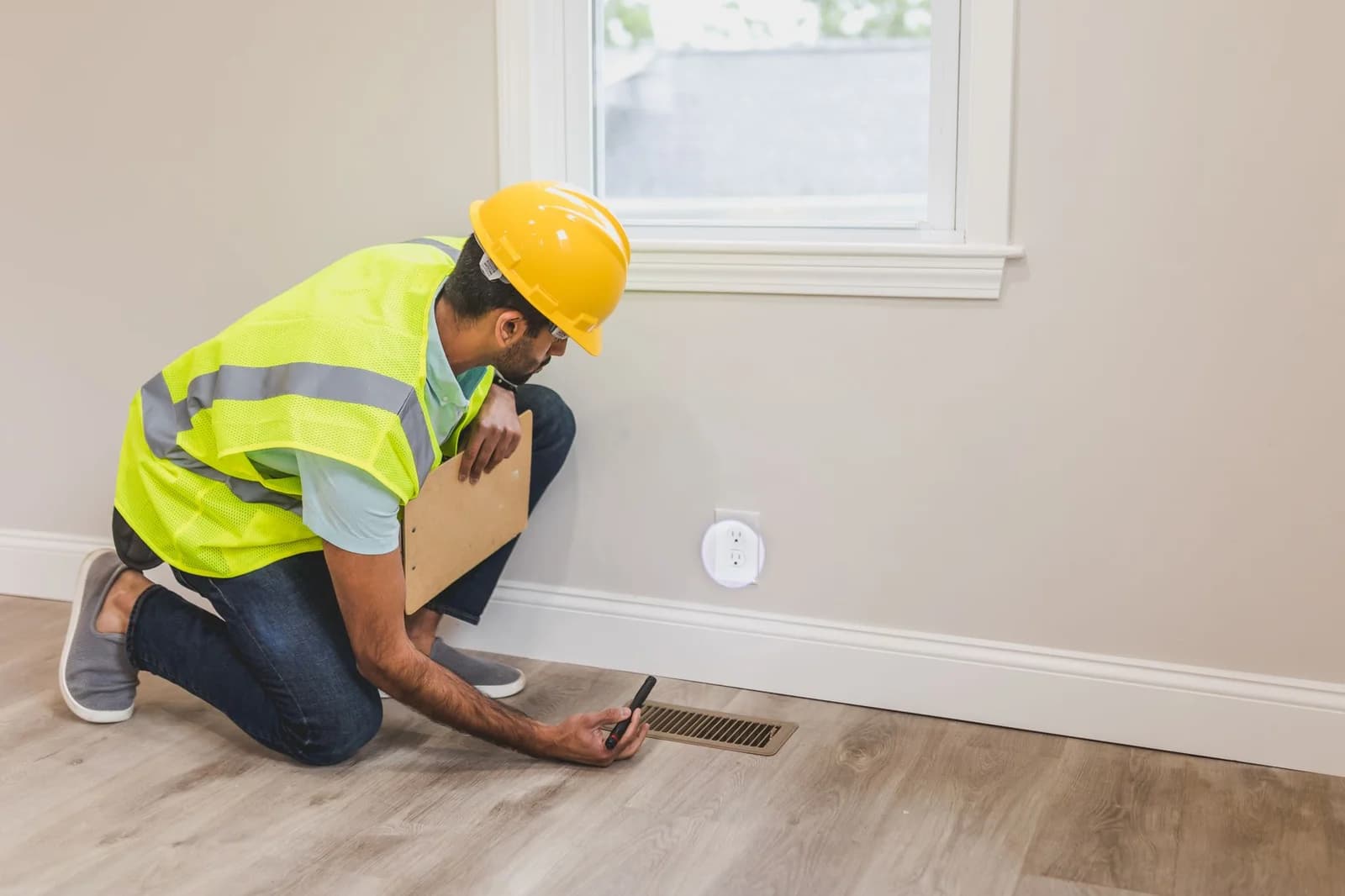
We start by timing the actual cycle length and comparing it against what's normal for the outdoor temperature that day. From there we test the capacitor under load, check refrigerant pressures against target values, inspect the filter and airflow path, and if those all check out, we look at whether the system's rated capacity actually matches the home's square footage and duct sizing. Short cycling almost always has one clear cause once you go through this process methodically, rather than a mystery that requires replacing parts until something works.
Why You Shouldn't Just Live With It
A short cycling system isn't just annoying, it's running up your electric bill through excess starts, wearing down the compressor faster than a properly running system would, and often failing to actually dehumidify your home even while it's blowing cold air. Left alone, the pattern of stress on the compressor tends to end the same way: a full compressor failure, usually during the hottest week of the year, that costs far more to fix than addressing the short cycling early would have.
What Normal Cycling Sounds Like Once It's Fixed
Once the actual cause is corrected, most homeowners are surprised by how different a healthy cycle feels compared to what they'd gotten used to. The outdoor unit settles into a steady hum that continues for a solid stretch of time rather than starting and stopping in a hurried pattern. Rooms reach a comfortable temperature and hold it, instead of feeling cool for a few minutes and then warming again as the system shuts off early. The house also tends to feel less humid, since a system that's finally running full cycles has the time it needs to actually pull moisture out of the air rather than just cooling it briefly. If it's been a while since your system ran a normal cycle, it's worth paying attention to that difference once a repair is complete, since it confirms the underlying cause was actually addressed rather than just quieted for a while.
A Note on DIY Resets
It's common for homeowners to reset a breaker or restart a thermostat when a system starts short cycling, and sometimes that briefly seems to help. In reality, none of the causes covered above are fixed by a reset. A weak capacitor is still weak. A refrigerant leak is still leaking. A wrongly sized system is still wrongly sized. A reset just clears whatever safety trip stopped the system, and the same pattern usually returns within hours or days. We'd rather you skip the cycle of resets and calls and go straight to a diagnosis that actually finds the cause.
Get to the Bottom of the Cycling Pattern
If your AC is starting and stopping more often than it should, call Newhall AC & Heating at (877) 583-4462. We'll time the cycle, test the likely causes in order, and explain exactly what's driving the pattern before recommending a repair. We serve Newhall, Canyon Country, Saugus, Valencia, and Stevenson Ranch.
Need Professional HVAC Service?
Our HVAC-experienced technicians are ready to help with all your AC and heating needs. Contact Newhall AC & Heating today for expert service throughout the the Santa Clarita Valley service area.