
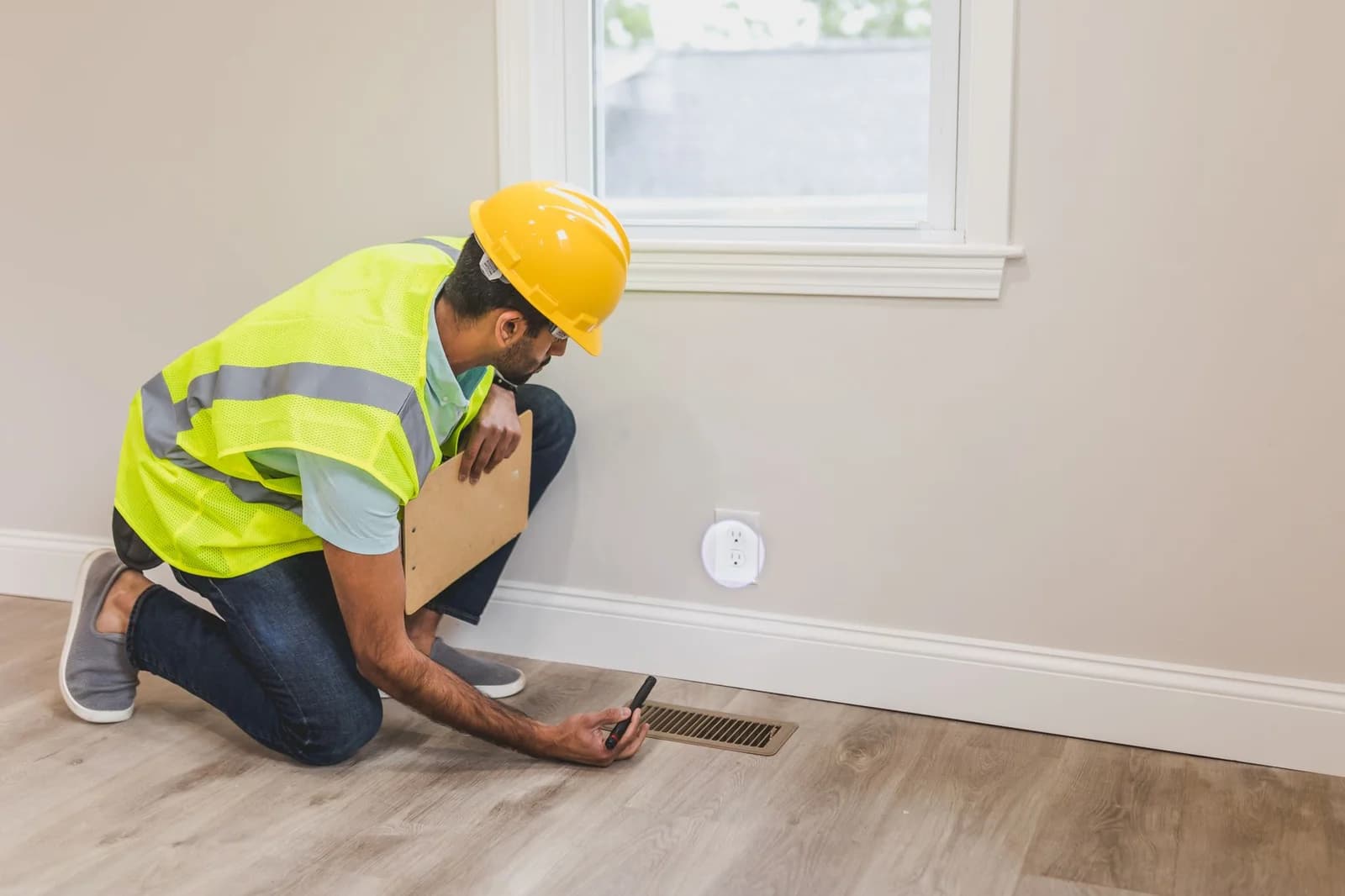
Winter Symptoms Deserve the Same Careful Read as Summer Ones
Homeowners across the Santa Clarita Valley tend to associate diagnostic thinking with the AC season and treat furnace complaints more casually, often assuming a cold room just means turning up the thermostat rather than something worth investigating. Overnight lows through the winter months regularly drop into the thirties and forties here, since Newhall sits inland without the coastal marine layer that keeps other parts of the region milder, and a furnace that's struggling doesn't always announce itself with a total breakdown. More often it shows up as weak heat, a cold room that never quite catches up, or a system that starts and stops more than it should. Each of those symptoms points toward a different cause, and understanding the difference helps you describe the problem accurately and know how urgently it needs attention.
Symptom One: Air That's Warm but Not Hot
A furnace producing air that feels only mildly warm, rather than genuinely hot at the vent, is often running but not running at full output. A partially failed igniter that's lighting the burners inconsistently, a flame sensor that's dirty enough to shut a burner down early, or a heat exchanger that isn't transferring heat efficiently can all produce this symptom. It's a different problem than no heat at all, and it's worth having looked at before it progresses to a full failure, particularly since a struggling ignition system is one of the more common causes of a complete no heat call during the coldest night of the year.
Symptom Two: One Room That Never Gets Warm
When every room but one reaches a comfortable temperature, the furnace itself is very likely working fine, and the problem lives somewhere in the duct system feeding that specific room. A collapsed section of flexible duct, a closed or stuck damper, or a duct run that's simply too long and losing heat along the way before it reaches a distant bedroom are all common causes. This is especially common in larger homes throughout Valencia and Stevenson Ranch with multiple branches feeding rooms at very different distances from the furnace. Turning up the thermostat in this situation doesn't fix the room, it just makes every other room in the house too warm while the problem room stays exactly as cold as before.
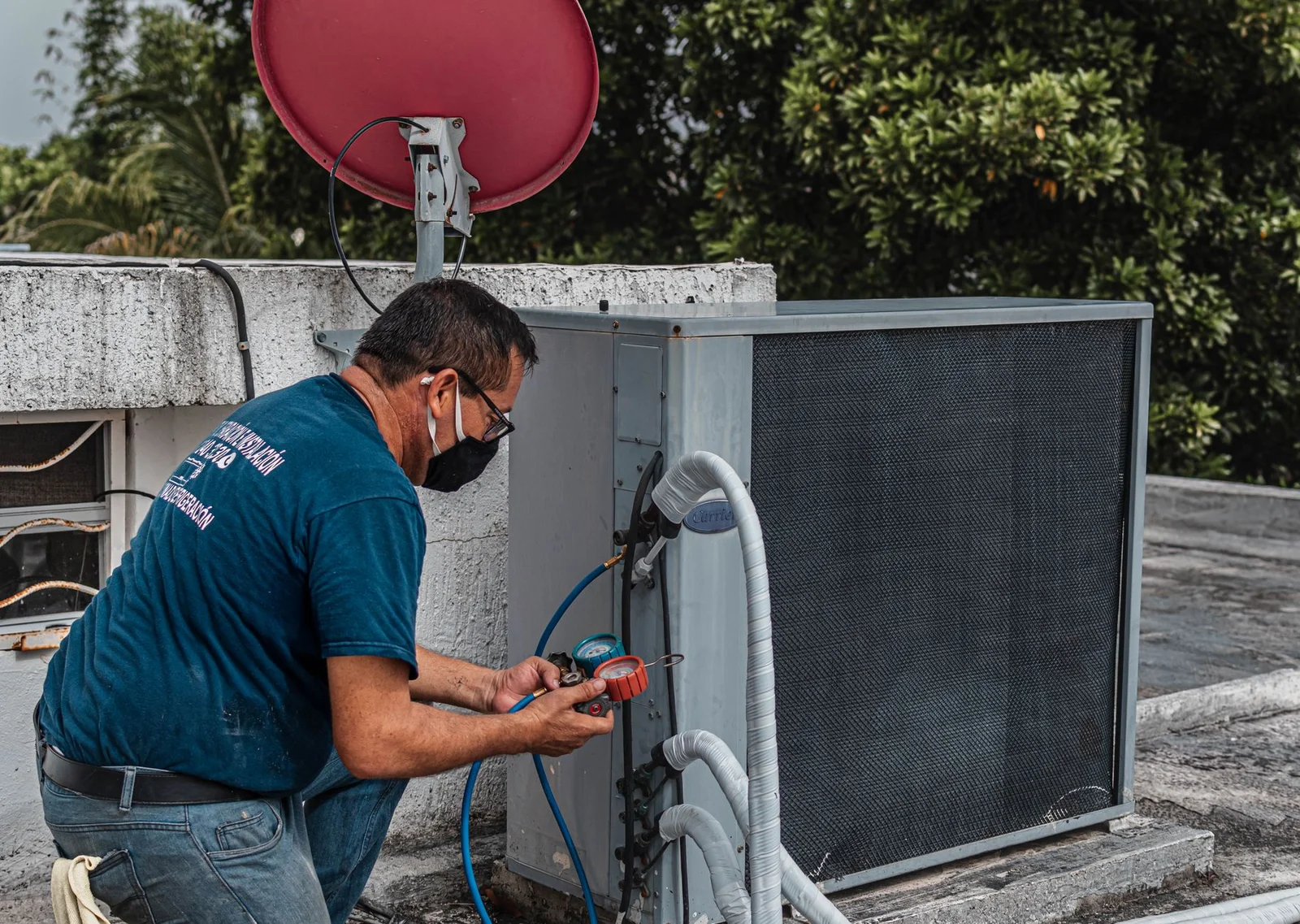
Symptom Three: The Furnace Short Cycles Instead of Running a Full Cycle
Much like an AC, a furnace that starts, runs briefly, and shuts off repeatedly rather than completing a normal heating cycle is often protecting itself from an unsafe condition rather than malfunctioning randomly. A dirty filter restricting airflow across the heat exchanger can cause it to overheat and trip a high limit switch, shutting the burners down before the room has actually warmed. A cracked heat exchanger, a more serious problem that affects both efficiency and safety, can trigger the same kind of protective shutdown. Either way, short cycling in a furnace is worth treating seriously rather than just resetting and hoping it runs longer the next time.
Symptom Four: The Blower Runs Constantly but the House Stays Cold
If you can hear or feel air moving from the vents but the house never actually warms up, the issue may not be the burners at all. A gas valve that isn't opening fully, an igniter that's failing intermittently, or a thermostat that's calling for fan only rather than heat can all produce airflow without heat. This is a useful distinction to make before calling, since it tells us the blower motor itself is very likely fine and points us toward the ignition and gas delivery system instead.
Symptom Five: A Burning Smell When the System First Kicks On
A brief dusty smell in the first few minutes of the season's first heating cycle is normal, dust that settled on the heat exchanger over the summer burning off. A smell that persists beyond those first few minutes, or a distinctly electrical or plastic smell rather than a dusty one, is not normal and is worth shutting the system down for until it's inspected. This is one of the few furnace symptoms where we'd rather you err toward caution and call rather than wait to see if it resolves on its own.
Why Older Newhall and Canyon Country Homes See More of These Symptoms
Homes built before more recent energy code updates, common throughout Old Town Newhall and the older sections of Canyon Country, often have less attic insulation and looser weatherstripping than homes built to current standards, which means the furnace has to work harder and longer to hold a set temperature through a cold night. A furnace that would perform adequately in a tightly sealed, well insulated newer home can look like it's underperforming in an older one, when the real issue is heat loss through the building itself rather than anything wrong with the equipment. Distinguishing between these two causes matters, since one is a furnace repair and the other is a conversation about insulation and sealing.
What a Furnace Diagnostic Visit Actually Involves
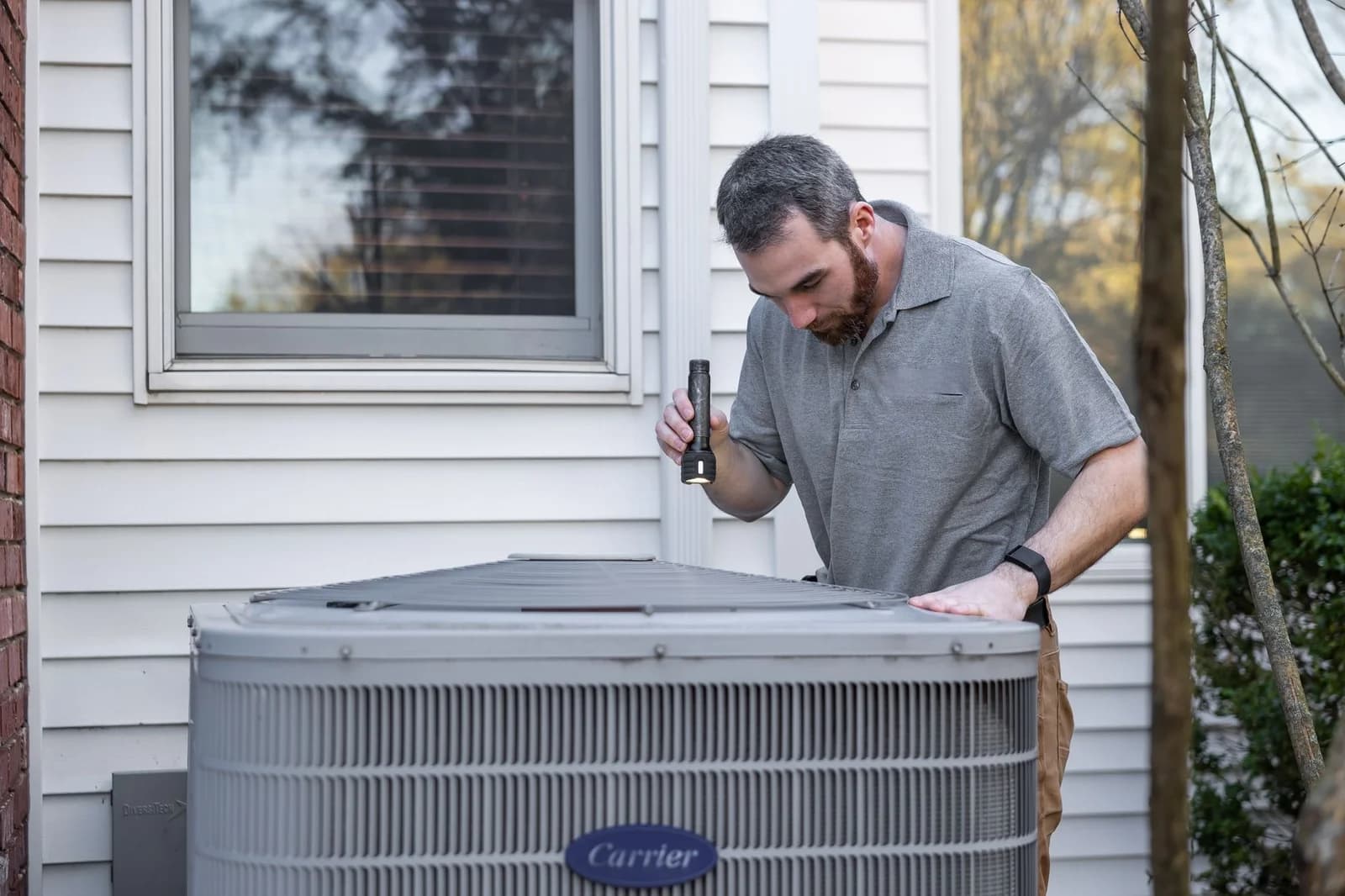
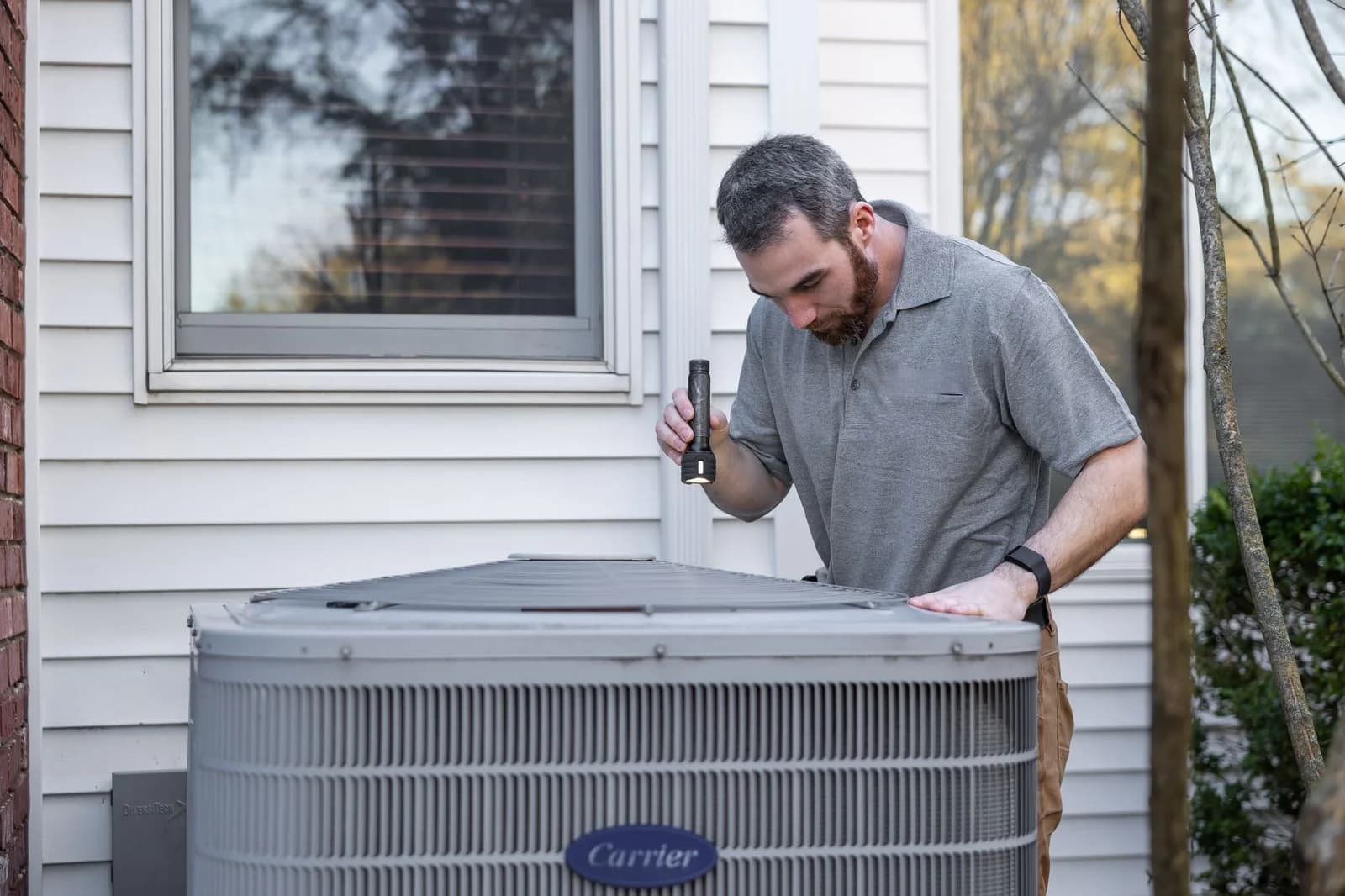
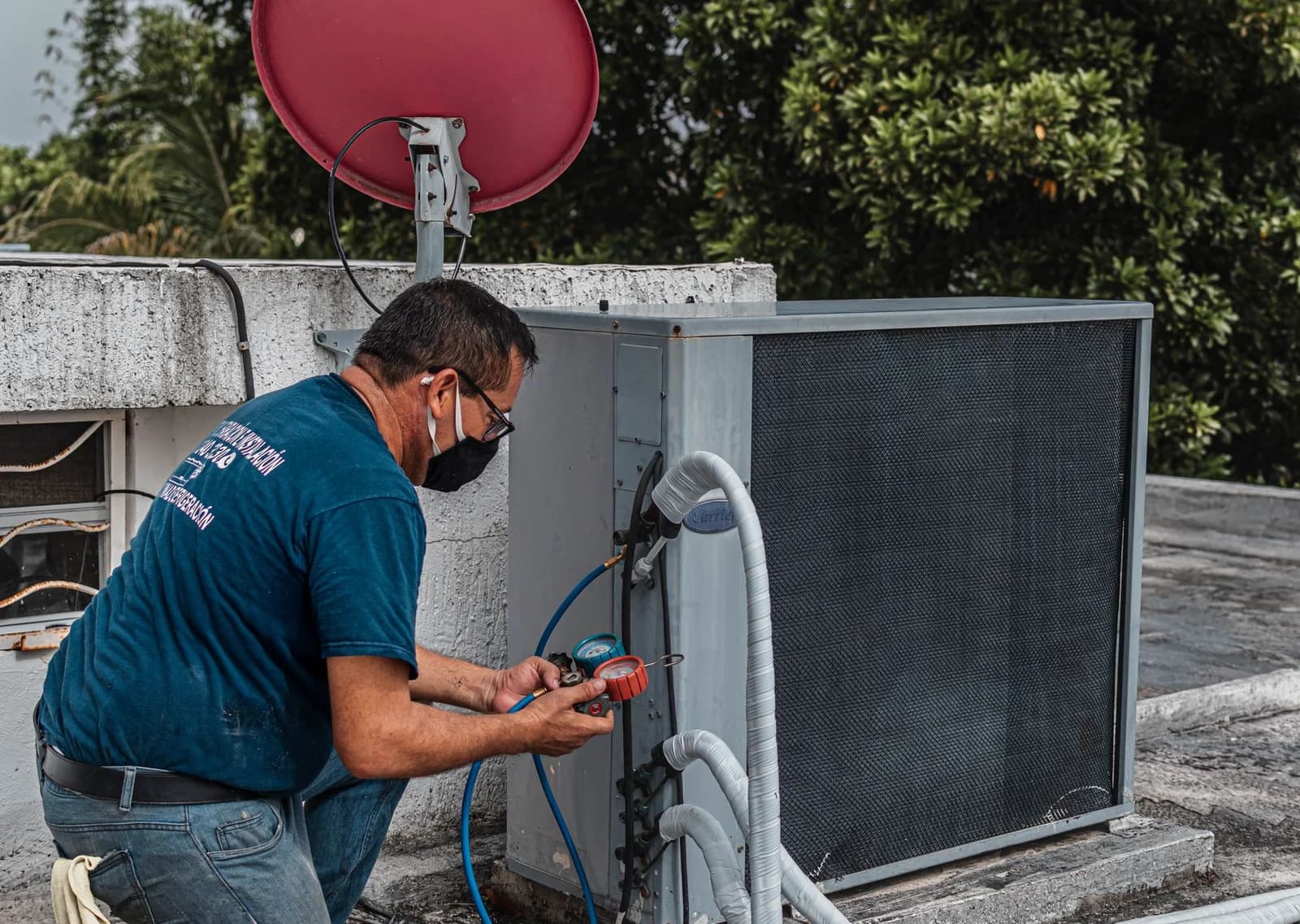
We check the igniter or pilot assembly and test the flame sensor for a clean, reliable signal. We inspect the heat exchanger for cracks or corrosion, since this affects both performance and, more importantly, safety. We verify the blower motor is moving the amount of air the system was designed to move, and we check gas pressure at the manifold against the manufacturer's specification. Where duct access allows, we walk the runs feeding any consistently cold room to look for damage or disconnection before assuming the furnace itself is underperforming.
The Cost of Waiting Until the Coldest Night
Every furnace symptom on this list tends to get worse gradually rather than appearing suddenly, which means there's usually a window of weeks where the problem is noticeable but not yet a full breakdown. Waiting through that window means the eventual failure tends to land on one of the coldest nights of the year, when demand for emergency service is highest and your family is left without heat while a technician works through a backlog of similar calls. Addressing weak heat or short cycling in November, before the coldest stretch of winter arrives, is a far more comfortable position to be in than an emergency call in January.
When to Call Immediately Versus When to Wait a Day
Not every furnace symptom carries the same urgency, and knowing the difference helps you make the right call. A persistent burning or electrical smell, visible sparking near the unit, or a system that trips the breaker every time it starts are reasons to shut the furnace down and call right away rather than wait. Weak heat, a single cold room, or occasional short cycling that isn't happening on every run are worth a call within a day or two, since the furnace is still functioning and the underlying cause is unlikely to become dangerous overnight. If you're ever unsure which category a symptom falls into, it's always fine to call and describe what you're seeing. We'd rather talk you through it over the phone than have you guess wrong in either direction.
Furnace Age and What It Changes About the Diagnosis
An older furnace and a newer one can show the exact same symptom for very different reasons. In a newer system, weak heat or short cycling usually points to a single component that's failed or fallen out of adjustment, something we can typically repair in one visit. In a furnace well past fifteen to twenty years of service, the same symptom is more likely to be the first of several components reaching the end of their service life close together. We still diagnose the immediate symptom the same way, but we'll also tell you honestly if the system's age means a repair today is likely to be followed by another one soon, so you can weigh that against the cost of replacing the unit instead.
Get Your Furnace's Symptoms Properly Diagnosed
If your furnace is producing weak heat, leaving a room consistently cold, or cycling more than it should, call Newhall AC & Heating at (877) 583-4462. We'll walk through the checks covered here and explain exactly what's causing the symptom before recommending a repair. We serve Newhall, Canyon Country, Saugus, Valencia, and Stevenson Ranch with heating diagnostics, repair, and maintenance.
Need Professional HVAC Service?
Our HVAC-experienced technicians are ready to help with all your AC and heating needs. Contact Newhall AC & Heating today for expert service throughout the the Santa Clarita Valley service area.