
The Difference Between Fixing and Guessing
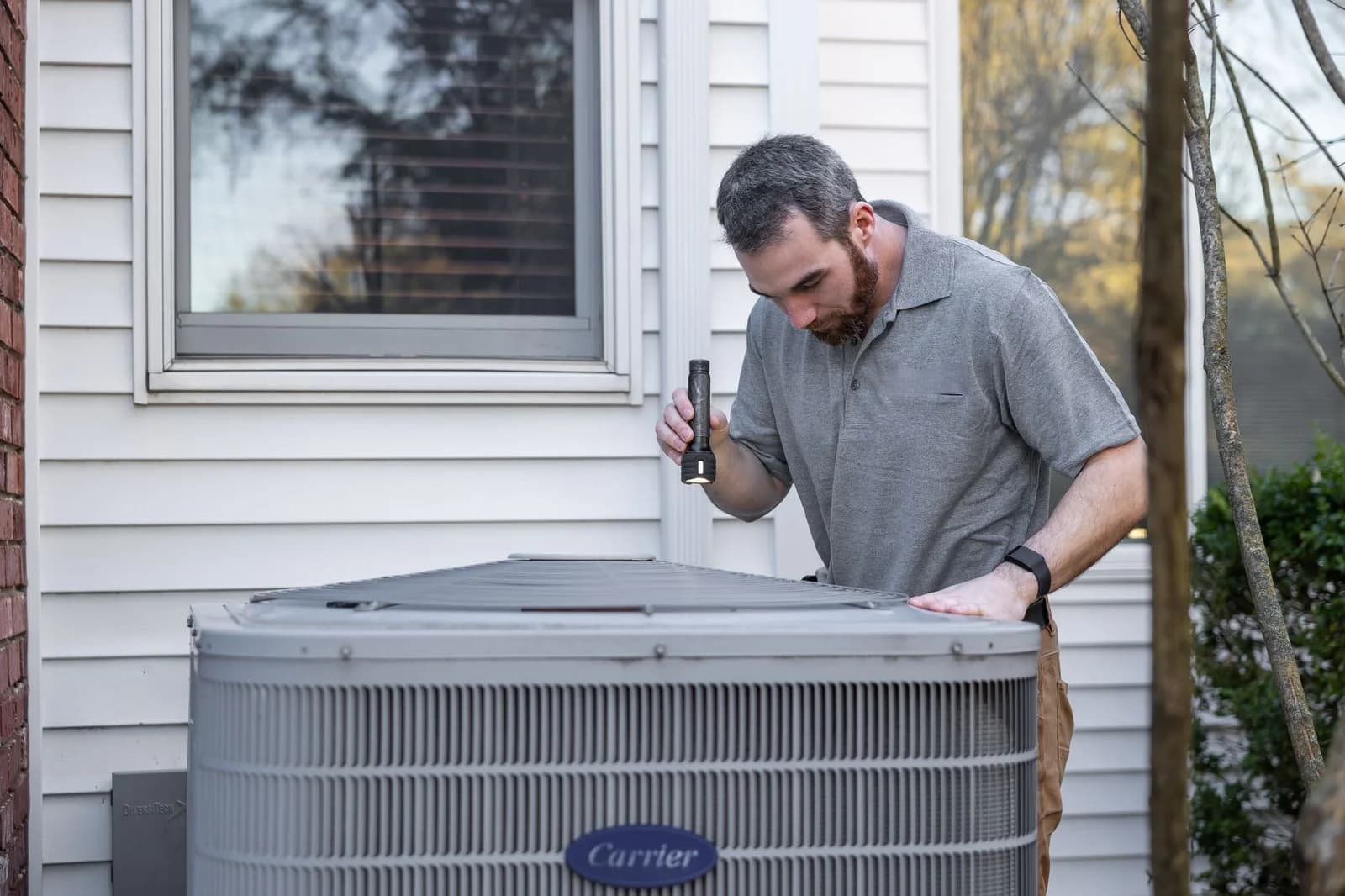
When a technician walks up to your AC unit, the temptation is to jump straight to a fix. Warm air at the vents gets blamed on refrigerant. A noisy compressor gets blamed on the motor. Sometimes that first guess is right. Often it isn't, and a repair based on a guess instead of a measurement ends up being the wrong repair, the kind that gets the system running again for a few weeks before the same symptom comes back. A real diagnostic visit works backward from the symptom to the actual cause, and understanding what we're checking, and why, helps you follow along instead of just waiting for a number at the end.
This guide walks through what happens during a proper AC diagnostic in a Newhall, Canyon Country, Saugus, Valencia, or Stevenson Ranch home, step by step, and explains the reasoning behind each check rather than just listing it.
Starting With What You Tell Us
Before a single tool comes out, we ask questions. When did the problem start? Is it constant or does it come and go? Does it happen more in the afternoon heat, or does it happen at any time of day? A system that struggles only during the hottest part of the afternoon points toward a capacity problem, meaning the system can't keep up with the heat load. A system that fails at random times, regardless of outdoor temperature, points more toward an electrical or control problem. The pattern you describe narrows down where we look first, which saves you time and saves you from paying for tests that were never going to find the answer.
Reading the Refrigerant Pressures
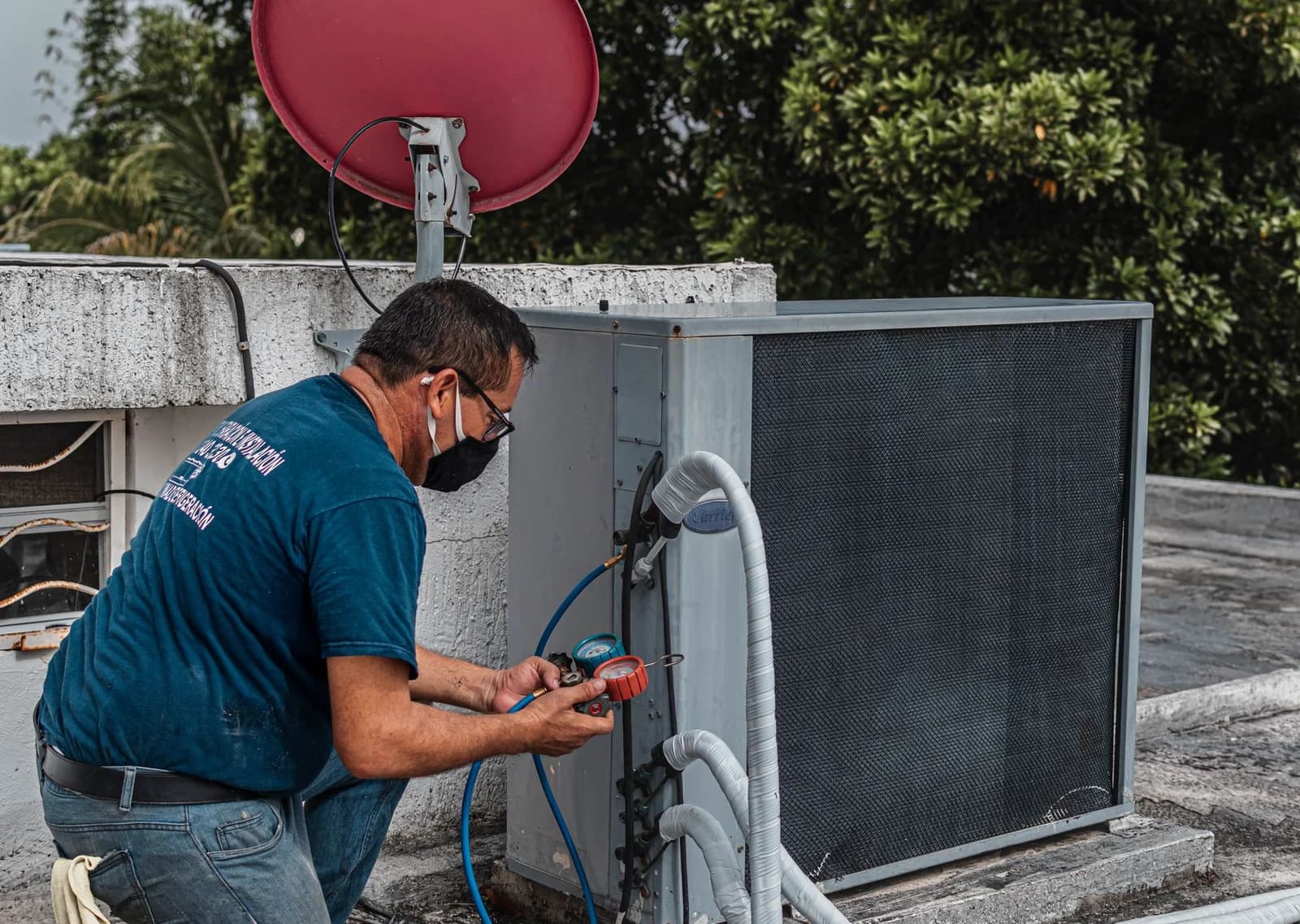
Refrigerant is the fluid that actually carries heat out of your home, and its pressure tells us a great deal about what's happening inside the system. We connect gauges to the service ports and compare the readings against what the manufacturer expects for that outdoor temperature. Low pressure on both sides usually points to a low refrigerant charge, which almost always means a leak somewhere in the line set or coil, since refrigerant doesn't get used up the way fuel does. High pressure readings point somewhere else entirely, often toward a dirty condenser coil that can't release heat fast enough, or a fan that isn't moving enough air across it. The number alone doesn't tell the whole story, which is why we look at both sides of the system together rather than a single reading in isolation.
Testing the Capacitor Under an Actual Load
A capacitor stores and releases the burst of energy that a compressor or fan motor needs to start spinning. On paper, testing a capacitor sounds simple: check the capacitance against the number stamped on the side. In practice, a capacitor can test within range while sitting idle and still fail the moment it's asked to do real work, because heat and age wear it down gradually rather than all at once. We test capacitance directly and also watch how the motor responds when the system starts, since a motor that hesitates or hums before catching is often a capacitor on its way out even when the meter reading still looks acceptable.

Measuring the Temperature Split
This is one of the simplest tests we run and one of the most telling. We measure the air temperature going into the return vent and compare it to the air coming out of a supply vent. A healthy system typically shows a difference somewhere in the range of 16 to 22 degrees between the two. A smaller split usually means the system isn't removing enough heat, which can point to low refrigerant, a dirty coil, or airflow moving too fast across the coil to absorb heat properly. A larger split can point the other direction, toward restricted airflow that's letting the coil get too cold. Either way, this single number gives us more real world information about how the system is actually performing than almost any other check.
Tracing the Condensate Path
As your AC pulls humidity out of the air, that water has to go somewhere, and the condensate line is how it leaves the house. We check that the line is actually flowing and not just sitting full, since a blocked line can back up quietly for weeks before it overflows the drain pan. In homes throughout Canyon Country and Saugus where the air handler sits in an attic closet, a slow backup can cause real water damage long before anyone notices a puddle, which is why we flush and confirm flow on every visit rather than just glancing at the pan.
Checking Amp Draw at the Motors
Every motor in your system, the compressor, the condenser fan, the blower, is rated to draw a certain amount of current under normal operation. We clamp a meter around the wiring and compare the actual draw against that rating. A motor pulling noticeably more current than it should is working harder than it was designed to, often because of a mechanical problem like a failing bearing or an electrical problem like low voltage. This kind of reading catches motors that are still running today but are likely to fail within weeks, well before the motor actually seizes and leaves you without cooling.
Listening, Because Sound Tells a Story Too
A grinding sound usually means a bearing. A rattle usually means something loose: a panel, a fan blade, or debris caught inside the unit. A hum without the compressor actually starting usually means the capacitor or the contactor. None of these are guesses once you've heard enough of them, and part of a real diagnostic visit is simply listening carefully before opening a single panel, since the sound narrows down where to look first.
Why Santa Clarita Valley Homes Need Their Own Read
A diagnostic approach that works in a mild coastal climate doesn't always translate directly to Newhall. Sitting inland and away from the marine layer, this valley regularly climbs into the mid nineties and well past one hundred degrees on summer afternoons, and that heat load changes what a normal reading looks like. A temperature split that would be perfectly healthy in a cooler climate can look weak here simply because the system is working against a much bigger gap between indoor and outdoor temperature. Older homes around Old Town Newhall and along Lyons Avenue often carry equipment that was sized for a different era of construction, and a diagnostic visit in one of these homes has to account for that history rather than comparing every reading to a generic textbook number.
What Happens After the Numbers Come In
Once we have pressures, capacitance, temperature split, amp draw, and a look at the ductwork where it's accessible, the picture usually points clearly toward one or two likely causes rather than a long list of maybes. We walk through what we found in plain terms, what it means for your system, and what the repair actually involves, before any work starts. If a repair doesn't make sense against the age or condition of the system, we say so plainly rather than patching something that's going to need the same repair again next summer.
What Skipping This Step Actually Costs You
A repair based on a guess sometimes works. When it doesn't, you've paid for a part that wasn't the problem, the original symptom is still there, and now there's a second visit to actually find the real cause. A proper diagnostic visit takes a bit longer up front, but it means the repair that follows is aimed at what's actually wrong, not at what seemed like the most likely explanation from the driveway.
Building a Baseline for Next Time
One benefit of a thorough diagnostic visit that's easy to overlook is that it gives your system a documented baseline. Once we know what your refrigerant pressures, amp draw, and temperature split look like when everything is healthy, any future visit has something real to compare against. A reading that would look unremarkable to a stranger can stand out clearly against your system's own history, which is part of why we keep records rather than treating each visit as a blank slate.
Schedule a Real Diagnostic Visit
If your system is acting up and you want an answer instead of a guess, call Newhall AC & Heating at (877) 583-4462. We'll walk through the same checks covered here, explain what we find in plain language, and give you a written picture of your system's condition before recommending any repair. We serve Newhall, Canyon Country, Saugus, Valencia, and Stevenson Ranch.
Need Professional HVAC Service?
Our HVAC-experienced technicians are ready to help with all your AC and heating needs. Contact Newhall AC & Heating today for expert service throughout the the Santa Clarita Valley service area.